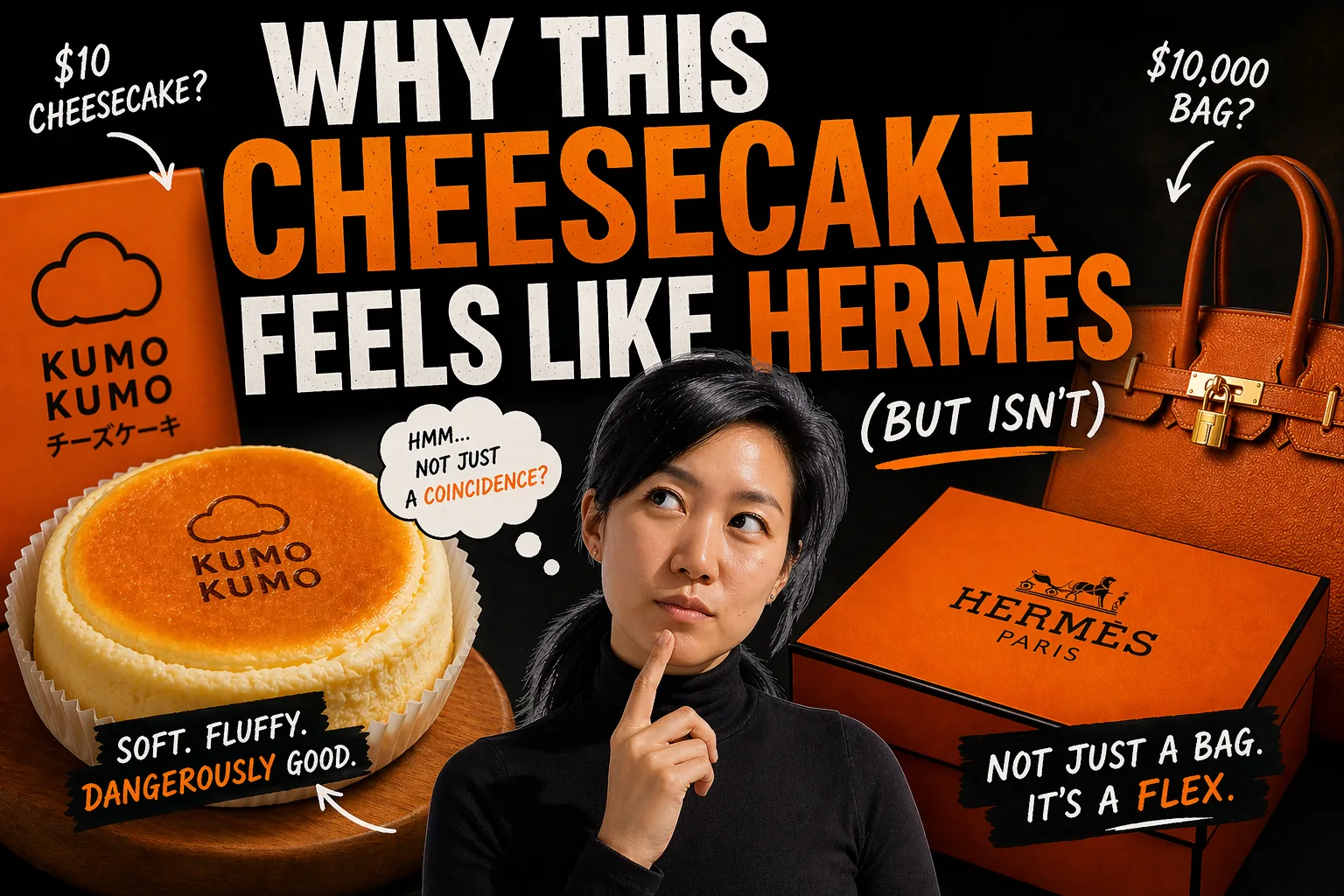
Most people think luxury is about price.
It’s not.
It’s about perception—and more specifically, how your brain connects what it sees to something it already trusts.
That’s where brand anchoring comes in.
What Is Brand Anchoring?
Brand anchoring is when a brand deliberately uses visual or emotional cues that remind you of something familiar—usually something high-status, trusted, or expensive.
Your brain doesn’t evaluate from scratch. It shortcuts.
So when it sees:
- A specific color
- A type of packaging
- A certain tone or aesthetic
…it automatically goes:
“I’ve seen this before. This must be good.”
That’s not logic. That’s association.
A Simple Example (That Works Almost Too Well)
Imagine you see a product in a very specific shade of orange.
You don’t consciously think much of it.
But subconsciously?
You might feel:
- premium
- gift-worthy
- high quality
Why?
Because that color has already been anchored in your mind by a well-known luxury brand.
So even if the product is completely unrelated, your brain borrows the feeling.
Why This Works So Powerfully
Your brain is designed to save energy.
Instead of analyzing every brand from scratch, it relies on:
- memory
- pattern recognition
- emotional shortcuts
This is called heuristic thinking.
And brand anchoring taps directly into it.
So instead of asking:
“Is this product actually good?”
Your brain asks:
“Does this feel like something I trust?”
That’s a completely different game.
The Mistake Most Brands Make
Most businesses focus on:
- features
- pricing
- promotions
But ignore the one thing that actually shapes buying decisions:
👉 Perception
You can have:
- a better product
- a better price
…but still lose to a competitor who simply feels more premium.
Because perception wins before logic even starts.
Brand Anchoring vs Copying (Important Difference)
Let’s be clear.
Brand anchoring is not:
- copying a logo
- imitating a brand directly
That’s cheap—and obvious.
Anchoring is subtle.
It’s about:
- evoking a feeling
- referencing a mental category
- positioning yourself in a familiar “lane”
Done right, people don’t notice it.
They just feel it.
How to Use Brand Anchoring (Without Looking Fake)
If you’re building a brand, here’s how to apply this properly:
1. Choose Your Anchor Carefully
What do you want your brand to feel like?
- Luxury?
- Minimal?
- Clinical?
- Playful?
Pick a reference category, not a competitor.
2. Align Your Signals
Your:
- color
- typography
- imagery
- packaging
…must all reinforce the same perception.
If one thing is off, the illusion breaks.
3. Consistency > Creativity
You don’t need to be “unique” everywhere.
You need to be: 👉 recognizable and coherent
That’s what builds trust.
4. Design for Feeling, Not Just Looks
Ask:
“What should someone feel when they see this?”
Not:
“Does this look nice?”
There’s a big difference.
The Real Insight Most People Miss
Branding is not about making things look better.
It’s about making things feel certain.
And certainty is what drives buying decisions.
If Your Brand Isn’t Converting…
It’s usually not your product.
It’s not your ads.
It’s not even your offer.
It’s that your brand isn’t sending the right signals.
Final Thought
People don’t buy what they understand.
They buy what feels right.
And what feels right is rarely accidental.